Yes, there is such a thing as a professional money launderer in NZ
New Zealand Police dismantled a money laundering network that had processed $123 million. The investigation raised important questions about how laundering services operate

In March 2021, court proceedings in Auckland drew public attention to an investigation that had been running quietly for several years. Operation Martinez, led by New Zealand Police with support from financial intelligence and asset recovery specialists, had identified a network of individuals and businesses funnelling large volumes of cash through Auckland's financial system on behalf of criminal clients.
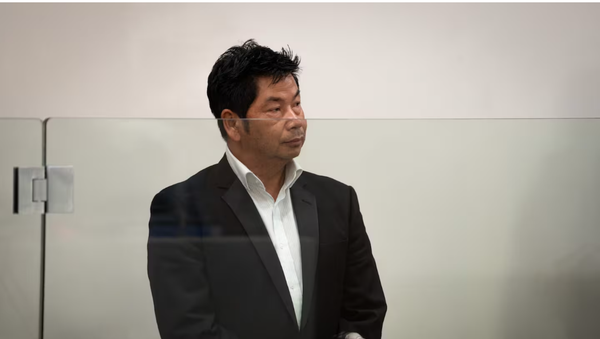
At the centre of the network was Daniel Hu, a man investigators described as a professional money launderer - someone who offered financial concealment as a deliberate commercial service rather than a one-off transaction. Hu agreed to forfeit NZ$3.3 million under the Criminal Proceeds (Recovery) Act 2009, which at the time represented one of New Zealand's largest civil asset recovery outcomes.
Several of his associates, however, left court without criminal convictions. The network had processed at least NZ$123 million. The gap between those two figures attracted scrutiny, and for good reason.
How the Network Operated
Hu's methodology was not particularly novel. What set it apart was its scale, its discipline, and the deliberateness with which it had been constructed.
The network used Auckland-based cash-intensive businesses - primarily in the hospitality and retail sectors - as its entry point into the financial system. Criminal cash, the proceeds of drug trafficking and other offending, was introduced into these businesses as apparent trading revenue. From there, funds moved through bank accounts held by various individuals, structured in amounts designed to remain below the thresholds that would require mandatory reporting to the Police Financial Intelligence Unit.
Over four years, investigators were able to trace at least NZ$123 million moving through this infrastructure. The actual total was likely higher. Cash-intensive businesses present inherent audit challenges, and the network appears to have been operated with enough transactional discipline to limit its exposure at any single point.
Hu did not work alone. Operation Martinez identified a broader group of associates who facilitated deposits and transfers at various points in the chain. Some were business operators. Others appear to have performed more limited functions - making deposits, holding accounts, moving funds - without necessarily understanding the full scope of what they were participating in. This distribution of roles across a network of individuals is not incidental. It is a deliberate structural feature of professional laundering operations, designed to ensure that no single participant holds enough information to expose the whole.
A Different Kind of Financial Criminal
Most financial crime case studies involve some recognisable form of human vulnerability. The lawyer who launders for a gang because his practice is struggling. The bank employee whose cocaine addiction creates a financial spiral he cannot escape through legitimate means. The accountant who makes one compromised decision and finds herself unable to reverse course.
Daniel Hu's case does not fit that pattern.