The Willing Conduit
When financial desperation meets opportunity, the line between victim and offender can be dangerously thin - as the case of Hamilton architect Chamroeun Kor demonstrates
In February 2023, Carla O'Neil walked into her local BNZ branch on Auckland's North Shore and transferred NZ$100,000 - her entire life savings - to an ASB account. She believed she was opening a Citibank term deposit. The account she sent it to belonged to a Hamilton company called CK International Holdings.
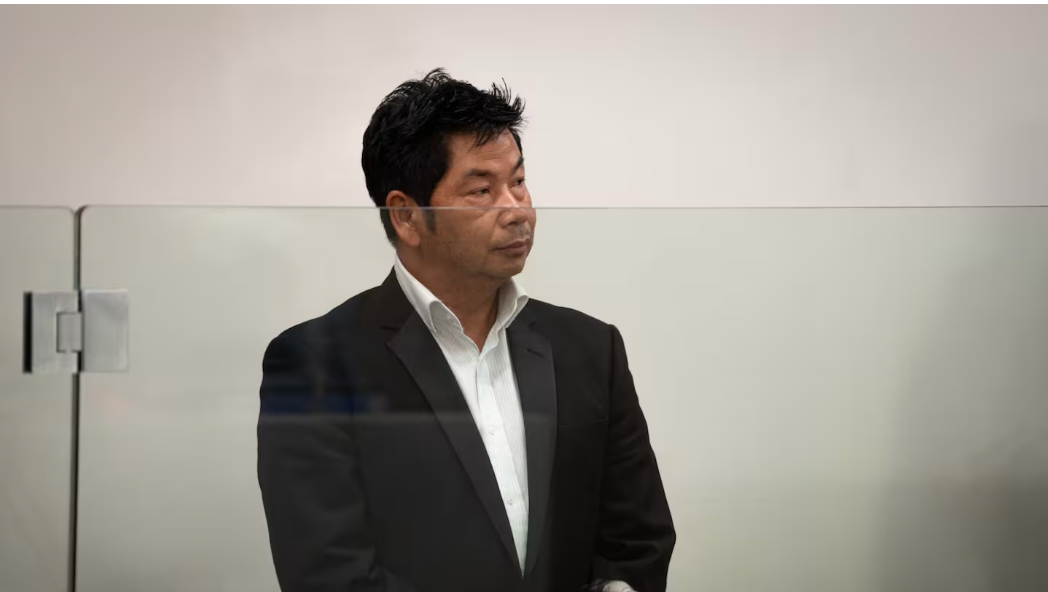
Its director was Chamroeun Kor: a 54-year-old architectural designer who had built his drafting business through years of hard work after emigrating from Cambodia. He was a respected professional, a company director, a man who had overcome considerable hardship to establish himself in New Zealand.
Within hours of O'Neil's transfer arriving, Kor had moved most of it offshore - to accounts in Singapore. He did the same days earlier when another victim, a widow who had saved NZ$135,000 with her late husband for their son's future, wired her money to the same account under the same false pretences.
In total, NZ$235,000 in stolen funds passed through Kor's business account. He transferred almost NZ$170,000 offshore. Only NZ$67,000 remained when the bank froze the account in March 2023.
Kor was not the architect of the scam. He did not impersonate Citibank executives, build fake investor portals, or make the calls that convinced two women to hand over their savings. But he was, in the words of Judge Stephen Bonnar, KC, the pivot point without whom it could not have worked.
"Without you, there would not have been a bank account into which deposits could be made, and without you the funds would not have made their way offshore."
The Scam Architecture: Social Engineering at Scale
To understand how Kor became entangled in this fraud, it is necessary to first understand how the underlying investment scam was designed - because its success depended entirely on manufacturing trust.