The Newmarket Money Shop: Greed, Wilful Blindness, and the Cost of Looking Away
How a small foreign exchange business became the financial engine of New Zealand's largest drug syndicate, and what the final forfeiture order tells us about the true cost of compliance failure
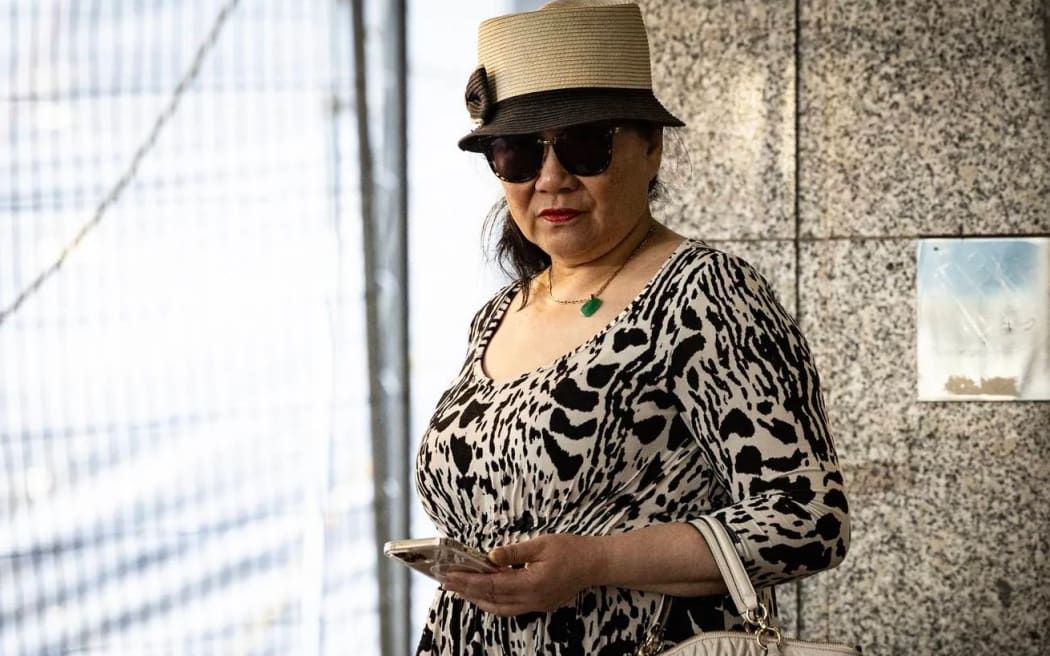
In June 2025, a New Zealand court approved the final chapter in one of the country's most significant financial crime cases. Ye "Cathay" Hua, the convicted operator of a small currency exchange business in Auckland's Newmarket suburb, agreed to forfeit NZ$3.3 million in assets to settle a civil recovery action brought under the Criminal Proceeds (Recovery) Act 2009 (NZ Herald, 2025a). Justice Brett Tantrum approved the settlement, accepting police findings that Hua had laundered more than NZ$27.5 million, despite her continued denials.
The forfeiture; covering a mansion overlooking the St Heliers waterfront, bank accounts, jewellery, cash, Bitcoin, and two BMWs - brought formal closure to a case that had wound through New Zealand's courts for four years. But the numbers alone do not capture what happened here. This was not an isolated lapse by an overwhelmed small-business owner. It was a progressive, greed-driven failure to act on the most obvious of warning signs and it powered one of New Zealand's most destructive drug networks for years.
For AML practitioners in law, accounting, and financial services, the case is a masterclass in how wilful blindness, regulatory under-deterrence, and the allure of easy profit can combine to create catastrophic outcomes.
The Operator and Her Business
Ye Hua came to New Zealand from China in 1997. She is described by her legal team as a devout Christian and family matriarch, and she operated Lidong Foreign Exchange trading through her company Qian DuoDuo Limited from a small office at 1 Kent Street, Newmarket, tucked behind a local cinema (NZ Herald, 2023a).
The business provided currency exchange and international remittance services, primarily to Auckland's Chinese community. On its face, it was an unremarkable small enterprise. But over time, it grew into something far more significant and far more dangerous.
At its peak, Lidong was processing around NZ$82 million per year in transactions (NZ Herald, 2023b). When business was at its most "booming," it handled up to NZ$1 million per week (NZ Herald, 2023a). That is a remarkable volume for a single-person operation in a suburban shopping precinct. It should also have been an obvious red flag to regulators, to banks, and to Hua herself.
The Anatomy of the Typology: How the Laundering Worked
The money laundering typology at the heart of this case centred on the classic placement stage: converting drug cash into legitimate-appearing foreign currency transfers and Bitcoin.